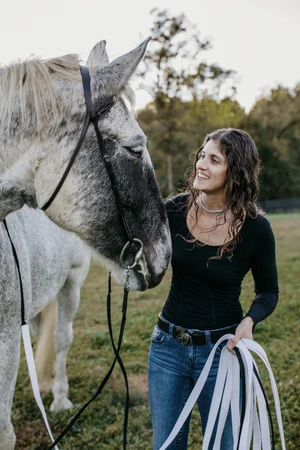
The loudest thing in the room isn’t the fireworks
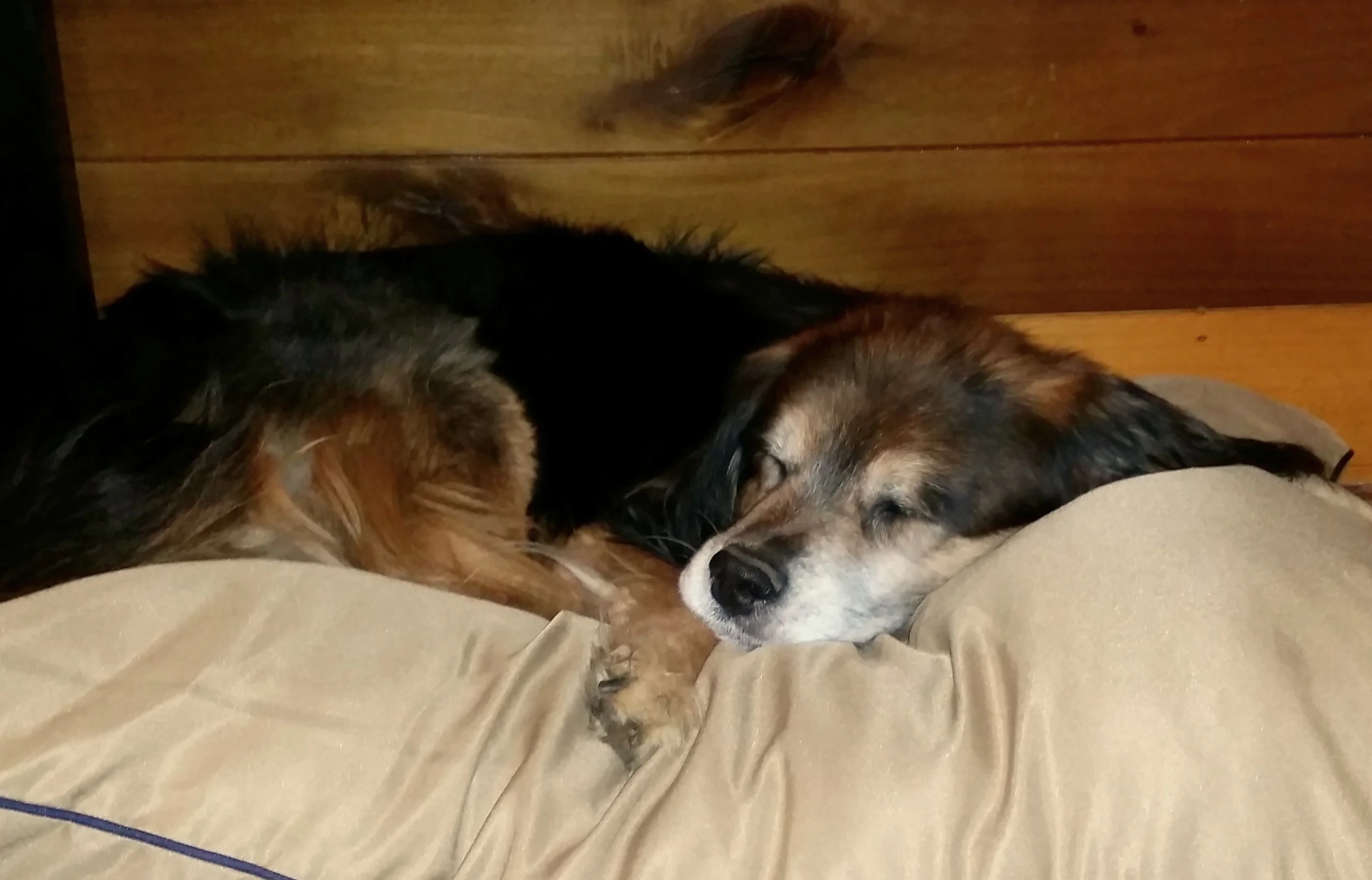
Toby asleep on his bed, we finally learned to relax a little better in noisy situations
The 4th of July is a day of cookouts and celebration here in the US. But guess what else it’s also known for: the day more pets go missing than any other day of the year. Most pet owners are already aware of this. What most people don’t recognize is the thing making their pet’s fear worse is standing right next to them, holding the leash.
I know because that thing was me.
I chalked it up to my dog’s personality, managed it as best I could, and braced for every summer. One year we went away for the 4th and left him with a pet sitter. I checked in that night expecting a report of whining, hiding, and chaos.
He was fine.
Completely, utterly fine.
It took me a while to sit with what that meant. I have my own history with thunderstorms. I’ve had some genuinely traumatic experiences that have left their mark. The thing is I wasn’t expressing that fear around him. I thought I was holding it together. But the energy was there, broadcasting clearly to an animal whose nervous system is tuned to read that frequency.
I was telling him, without a single word, that there was something to be afraid of. And he believed me.
Naturally, his fear and worry made me want to comfort him when he was afraid. I didn’t realize that was reinforcing his fear.
The instinct comes from love. When your animal is trembling or panting or trying to climb inside your skin, everything in you wants to say it’s okay, you’re okay, good boy, I’ve got you.
But to your pet, that sounds like: yes, this state you’re in right now is exactly correct. Stay here.
Praising or soothing an animal in a fear state confirms the fear state. It doesn’t resolve it. It rewards it. The most useful thing you can do is get yourself regulated and then be truly neutrally present. Not performing calm. Actually calm. Your animal will feel the difference immediately.
This doesn’t mean being cold or withholding. It means being a stable presence they can orient to, rather than another source of anxious energy in the room. You can be with them without being in it with them. That distinction is everything.
Both of these mistakes come from the same root. Your animal’s nervous system is not processing your words. It’s processing your energy: the quality of your breath, the tension in your body, the thing that happens in you a half-second before you even register a conscious thought. They are reading what’s beneath the surface, not the version you’re trying to present.
When there is even an underlying concern about how your pet is going to handle the loud noises and bright lights, that energy is broadcast as a signal. It tells your animal that the situation warrants concern. It doesn’t matter that you’re afraid for your pet, not because there is actual danger that your pet may encounter. Trying to appear calm and telling them everything is fine over that energy is the actual issue.
This is not a character flaw. It’s not something to feel guilty about, either. We all care deeply about our pets and want them to stay safe and not be afraid. Once there is an honest awareness of the underlying energy at play, you can work with it.
The goal isn’t to perform calm. It’s to find your way to actual calm, or as close to it as you can get. That means checking in with yourself honestly before the night starts. It means working on your own nervous system regulation outside of the crisis, not in the middle of it. It means recognizing that your steadiness is not just good for you — it is actively, directly useful to your animal in a way that nothing else can replicate.
We all need a little extra help now and then. And when our animals are genuinely afraid, there are some other practical things worth doing ahead of time:
Keep your pet secured and inside well before dark. Make sure they’ve had exercise and mental stimulation earlier in the day. Run fans or music to mask the sounds — something constant and pleasant. Pull window shades to reduce the light flashes. If your pet is going to be outside at any point, double up on security — leash plus enclosed space, no exceptions.
Using tools like a Thundershirt (no affiliation, they’re just a good resource), calming oils or CBD are great additions. Introduce them ahead of time at a calm moment, not in the middle of the crisis. Pairing them with calm, good moments will make sure that when you bring them out on the 4th they are already associated with feeling okay, not with the thing your pet is afraid of.
Animals also pick up vibrations of sounds through the ground and their bodies. Adding extra fluffy bedding or pillows, or elevating their normal bed is a good way to help insulate them from some of the vibrational impacts of fireworks.
Most of all: ride it out without getting pulled into the fear with them. They can have their experience. It doesn’t require you to have it too. Your steadiness is the most useful thing you can offer.
The work of being a regulated, present person for your animal doesn’t start on the 4th of July. It starts in every ordinary moment between now and then — in how you show up at the barn, on the walk, on the couch at the end of the day. The holiday just makes visible what’s already there in the relationship.
Your animal has been reading you all along. The good news is that you get to choose what they find.
What have you found that helps your pet through the loud nights?